
What Are FMCG Products? Complete Guide for Retailers & Wholesalers
FMCG products, also known as Fast-Moving Consumer Goods, are items that consumers purchase frequently, use daily, and replace regularly. These products form the backbone of the global retail and wholesale ecosystem, making the FMCG industry one of the most stable and high-volume markets worldwide.
From food and beverages to household cleaning, personal care, baby products, and pet nutrition, FMCG products touch nearly every aspect of daily life. This guide explains what FMCG products are, their main categories, real-world examples, and how retailers and wholesalers source and distribute them efficiently.
What Does FMCG Mean?
FMCG stands for Fast-Moving Consumer Goods. These are products that:
- Sell quickly
- Are priced affordably
- Have high consumer demand
- Are purchased repeatedly
Unlike durable goods such as electronics or furniture, FMCG products are consumed quickly and need regular replenishment.
Examples include packaged food, bottled drinks, detergents, toothpaste, diapers, and beverages.
Key Characteristics of FMCG Products
Understanding the defining characteristics of FMCG Items helps businesses manage pricing, inventory, and supply chains effectively.
High Turnover Rate
FMCG products move fast through retail shelves. Because of constant demand, retailers must maintain steady stock levels to avoid shortages.
Low Profit Margin Per Unit
Individual FMCG items often have low margins. However, profitability is achieved through high sales volume rather than high per-unit pricing.
Daily or Frequent Usage
Most FMCG Items are used daily or weekly, making them essential household items.
Brand Loyalty
Consumers often stick to familiar FMCG brands due to trust, quality consistency, and habit.
Major FMCG Product Categories
The FMCG industry is vast and diversified. Below are the main FMCG product categories that dominate global markets.
Food & Packaged Food Products
Food products are the most essential FMCG category. This includes:
- Dairy products
- Infant food and baby nutrition
- Packaged meals and ready-to-eat food
- Snacks and biscuits
- Sauces, spreads, and condiments
Beverages & Drinks
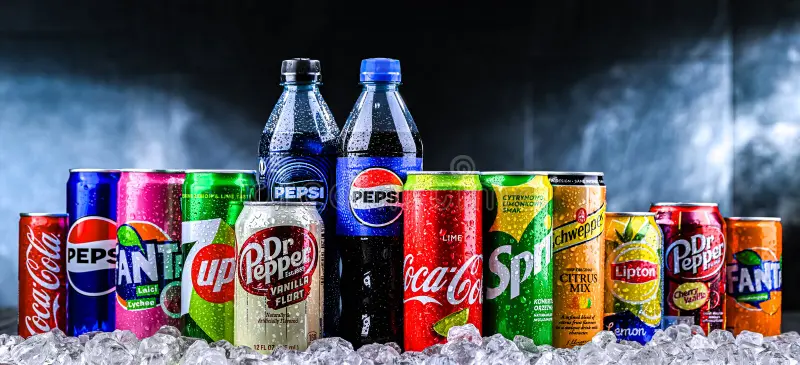
Beverages represent one of the highest-demand FMCG segments worldwide. This category includes:
- Bottled and mineral water
- Soft drinks and carbonated beverages
- Energy drinks
- Coffee, tea, and cocoa-based drinks
Health-focused beverages and premium water brands are seeing rapid growth globally.
Household Cleaning & Detergents
Household FMCG products ensure cleanliness and hygiene in everyday environments. These include:
- Laundry detergents
- Dishwashing liquids
- Floor and surface cleaners
- Toilet and bathroom cleaners
- Disinfectants
This category gained even more importance due to increased hygiene awareness worldwide.
Personal Care & Hygiene Products
Personal care FMCG products focus on daily grooming and hygiene needs, such as:
- Bath soaps and body washes
- Oral care products
- Deodorants and grooming items
- Feminine hygiene products
- Baby care essentials
Consumers prefer trusted brands that ensure safety, quality, and skin compatibility.
Baby Food & Infant Care
Baby-related FMCG Items are highly regulated and quality-sensitive. These include:
- Infant formula
- Baby cereals
- Diapers
- Baby hygiene products
Parents prioritize safety, nutrition, and brand reputation in this segment.
Pet Nutrition Products
Pet food and nutrition have become a strong FMCG segment due to increasing pet ownership.
Products include:
- Dry pet food
- Wet pet food
- Specialized nutrition formulas
Premium pet food brands are gaining popularity as owners focus on pet health.
Alcoholic Beverages as FMCG
In many markets, alcoholic beverages are classified as FMCG. These include:
- Beer
- Wine
- Whisky and spirits
- Vodka and tequila
Regulations vary by country, but demand remains strong globally.
Who Buys FMCG Products?
FMCG products serve multiple buyer types across the supply chain.
Individual Consumers
End users purchase FMCG products for personal and household use on a regular basis.
Retailers
Retail stores rely on FMCG suppliers for consistent stock, competitive pricing, and fast replenishment.
Wholesalers & Distributors
Wholesalers buy FMCG products in bulk and supply them to retailers, institutions, and businesses.
How FMCG Products Are Distributed
The FMCG distribution model is designed for speed and scale.
Manufacturer to Distributor
Manufacturers produce goods and supply them to distributors or wholesalers.
Distributor to Retailer
Distributors manage inventory and logistics, supplying retail outlets and businesses.
Retailer to Consumer
Retailers sell FMCG products to consumers through physical stores or online platforms.
Importance of FMCG Products in the Global Economy
The FMCG industry contributes significantly to employment, trade, and economic stability.
Key benefits include:
- Continuous demand regardless of economic cycles
- High employment generation
- Strong contribution to exports and imports
- Support for small and large businesses
Choosing the Right FMCG Supplier
For retailers and wholesalers, choosing the right FMCG supplier is critical. A reliable supplier offers:
- Consistent product quality
- Wide product range
- Reliable delivery timelines
- Competitive wholesale pricing
Future of FMCG Products
The future of FMCG products is shaped by:
- Health-conscious consumers
- Sustainable packaging
- Digital ordering platforms
- Global sourcing and distribution
Businesses that adapt to these trends will remain competitive.
Conclusion
FMCG products are an essential part of everyday life and global commerce. Their high demand, fast turnover, and wide variety make them a cornerstone of retail and wholesale trade.
For retailers, wholesalers, and distributors, understanding FMCG categories, sourcing methods, and supply chains is key to long-term success in this industry.