
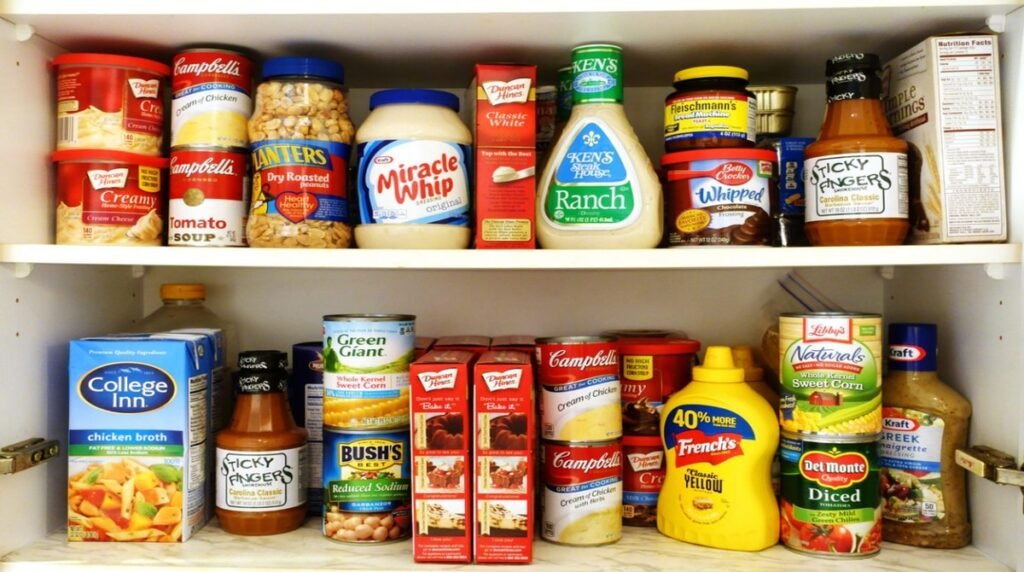
Packaged Foods and Condiments – Essential Staples for Every Kitchen
In today’s fast-paced lifestyle, packaged foods & condiments have become an integral part of modern households. From quick meal solutions to flavor-enhancing sauces, packaged food products offer convenience, consistency, and long shelf life without compromising on taste or nutrition when sourced from trusted brands.
Whether it’s ready-to-eat meals, sauces, spices, spreads, or cooking essentials, packaged foods simplify daily cooking and cater to diverse culinary preferences across regions and cultures.
What Are Packaged Foods and Condiments?
Packaged foods are food items that are processed, preserved, and packed in hygienic conditions to extend shelf life and ensure safety.
Condiments are flavor-enhancing products such as sauces, dips, dressings, chutneys, and spreads used to complement meals.
Together, packaged foods & condiments form the backbone of the global FMCG food industry, supplying homes, restaurants, hotels, and retail outlets.
Types of Packaged Foods
Ready-to-Eat & Ready-to-Cook Foods
These products are designed for quick preparation:
- Instant noodles and pasta
- Ready meals and frozen foods
- Packaged snacks and meal kits
They are ideal for working professionals, students, and busy families.
Packaged Staples
Daily-use food items packed for convenience:
- Rice, pulses, flour, and grains
- Sugar, salt, and baking essentials
- Breakfast cereals and oats
These staples ensure consistent quality and easy storage.
Types of Condiments:
Sauces & Dressings
Sauces are among the most popular condiments worldwide:
- Tomato ketchup and chili sauce
- Soy sauce, vinegar, and salad dressings
- Mayonnaise and specialty sauces
They enhance flavor and add versatility to everyday meals.
Spreads & Pastes
Commonly used for breakfast and cooking:
- Sandwich spreads and flavored butters
- Peanut butter and chocolate spreads
- Cooking pastes like ginger-garlic paste
Pickles & Chutneys
Traditional and regional condiments:
- Fruit and vegetable pickles
- Spicy and sweet chutneys
- Fermented and oil-based varieties
Benefits of Packaged Foods and Condiments
Convenience & Time-Saving
Packaged food products reduce preparation time and make cooking easier, especially in urban lifestyles.
Consistent Quality
Standardized production ensures uniform taste, texture, and quality across batches.
Longer Shelf Life
Advanced packaging and preservation techniques help maintain freshness for extended periods.
Wide Variety & Availability
From international cuisines to local flavors, consumers have access to a vast product range year-round.
Importance of Quality Packaging
Packaging plays a crucial role in maintaining food safety and freshness:
- Protects against contamination
- Prevents moisture and air exposure
- Provides nutritional and expiry information
Reputed packaged food suppliers follow strict food safety standards such as FSSAI, ISO, and HACCP.
How to Choose the Right Packaged Foods and Condiments
Check Ingredients & Labels
Always review ingredient lists, allergens, and nutritional information.
Look for Trusted Brands
Choose products from established FMCG brands or verified wholesale suppliers.
Verify Expiry Dates
Ensure the product is within its shelf life for safety and taste.
Storage & Usage Instructions
Follow recommended storage guidelines to maintain quality after opening.
Role of Packaged Foods in Retail & Wholesale Markets
Packaged foods & condiments are among the highest-demand categories in:
- Supermarkets and grocery stores
- Hotels, restaurants, and catering services
- Online grocery platforms
For retailers and distributors, these products offer:
- High turnover
- Stable demand
- Easy logistics and storage
Global Demand for Packaged Foods and Condiments
With urbanization and changing food habits, the global packaged food market continues to grow rapidly. Consumers are increasingly seeking:
- Hygienic and safe food options
- International flavors
- Ready-to-use cooking solutions
According to industry reports, the packaged food sector is one of the fastest-growing segments in the FMCG industry.
World Health Organization – Food Safety Guidelines:
Sustainability & Responsible Consumption
Modern food brands are adopting eco-friendly practices such as:
- Recyclable and biodegradable packaging
- Reduced plastic usage
- Ethical sourcing of ingredients
Consumers are encouraged to support brands that focus on sustainability and responsible production.
Why Packaged Foods and Condiments Are Here to Stay
From busy lifestyles to global cuisine trends, packaged foods & condiments have become indispensable. They offer:
- Convenience without sacrificing flavor
- Consistency across meals
- Access to diverse tastes and cultures
Whether for daily home cooking or commercial use, these products continue to redefine how the world eats.
Final Thoughts
Packaged foods and condiments are more than just convenience items—they are essential kitchen companions that enhance taste, save time, and meet modern dietary needs. By choosing quality products from trusted suppliers, consumers and businesses alike can enjoy safety, reliability, and exceptional flavor every day.
Packaged Foods and Condiments → Snacks & Biscuits
Packaged Foods & Condiments → Edible Cooking Oils
Packaged Foods & Condiments → Beverages
Packaged Foods & Condiments → Dairy Products & Baby Food