
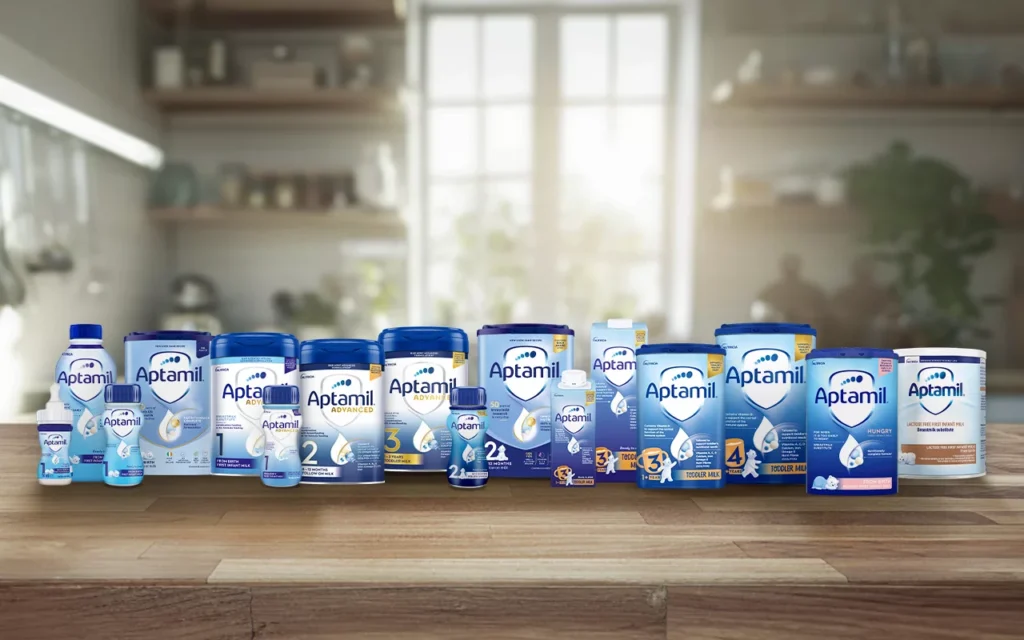
The global FMCG market plays a critical role in everyday life, supplying essential products that consumers purchase frequently and rely on daily. FMCG, or Fast-Moving Consumer Goods, includes food, beverages, personal care, household cleaning, baby care, and other daily-use products that move quickly through retail channels.
With rising global population, urbanization, and evolving consumer preferences, the FMCG industry continues to expand across both developed and emerging markets. This article provides a complete overview of the global FMCG market, covering product categories, key trends, and how the FMCG supply chain works.
What Is the Global FMCG Market?
The global FMCG market refers to the worldwide trade and distribution of low-cost, high-demand consumer products that are sold in large volumes. These products are typically characterized by:
- High turnover rate
- Short shelf life (for many food products)
- Affordable pricing
- Regular and repeat consumption
Examples of FMCG products include packaged food, bottled beverages, detergents, personal hygiene items, baby products, pet food, and alcoholic beverages.
Unlike durable goods, FMCG items are purchased frequently, making this market one of the most competitive and dynamic sectors globally.
Major FMCG Product Categories
The FMCG industry covers a broad range of product categories, each catering to specific consumer needs.
H3: Food & Packaged Food Products
Food products form the backbone of the global FMCG market. This category includes:
Global demand for packaged food continues to rise due to busy lifestyles, urban living, and the need for convenience.
Beverages & Drinks
Beverages are one of the fastest-growing FMCG segments worldwide. This category includes:
- Bottled and mineral water
- Soft drinks and carbonated beverages
- Energy drinks
- Coffee, tea, and cocoa-based drinks
Health awareness has significantly influenced beverage choices, increasing demand for premium water, low-sugar drinks, and functional beverages.
Household Cleaning & Detergents
Household care products are essential FMCG items used daily in homes, offices, and commercial spaces. These include:
Hygiene awareness, especially after global health events, has driven long-term growth in this segment.
Personal Care & Hygiene Products
Personal care is another major pillar of the global FMCG market, covering:
- Bath and body care
- Oral care products
- Deodorants and grooming items
- Feminine hygiene products
- Baby care essentials
Consumers increasingly prefer branded, safe, and dermatologically tested products in this category.
Pet Nutrition Products
Pet ownership is growing globally, driving strong demand for pet nutrition FMCG products such as:
- Dry pet food
- Wet food
- Specialized nutrition formulas
Premium and health-focused pet food products are among the fastest-growing segments in the FMCG industry.
Alcoholic Beverages
Alcoholic drinks are also part of the FMCG ecosystem in many markets. This includes:
Consumption patterns vary by region, regulations, and cultural preferences, making this a specialized FMCG category.
Key Trends in the Global FMCG Market
The global FMCG market is constantly evolving. Some of the most important trends shaping the industry include:
Health & Wellness Focus
Consumers are increasingly conscious of health, nutrition, and ingredient transparency. This trend impacts:
- Baby food and infant nutrition
- Low-sugar beverages
- Organic and natural food products
- Hygiene and personal care formulations
Brands that focus on quality, safety, and transparency gain stronger consumer trust.
Premiumization of FMCG Products
Premium FMCG products such as imported bottled water, branded coffee, gourmet food items, and high-quality personal care products are gaining popularity.
This shift allows suppliers and distributors to serve both mass-market and premium consumer segments.
Globalization of FMCG Supply
FMCG brands and distributors increasingly operate across borders, supplying products internationally. This has led to:
- Increased demand for export-ready packaging
- Compliance with international quality standards
- Efficient global logistics networks
Digital Transformation & E-commerce
Online retail, B2B platforms, and digital ordering systems are reshaping FMCG distribution. Buyers now expect:
- Online product catalogs
- Faster order processing
- Transparent pricing
- Reliable logistics
Digital presence is no longer optional in the FMCG industry.
How the FMCG Supply Chain Works
The FMCG supply chain is designed for speed, efficiency, and volume.
Manufacturing & Sourcing
Products are manufactured by global or regional brands, following strict quality and safety standards. Raw materials are sourced from reliable suppliers to ensure consistency.
Distribution & Wholesale
FMCG distributors and wholesalers play a vital role by:
- Managing bulk inventory
- Supplying retailers and businesses
- Ensuring timely replenishment
Retail & End Consumers
Products reach end consumers through:
- Supermarkets and retail stores
- Online platforms
- Hotels, restaurants, and institutions
Speed and availability are key success factors at this stage.
Why the Global FMCG Market Remains Strong
The FMCG industry remains resilient due to:
- Daily consumer demand
- Essential nature of products
- Wide product diversification
- Strong brand loyalty
Even during economic fluctuations, FMCG products continue to experience stable demand compared to other industries.
The Role of Trusted FMCG Suppliers
Choosing a reliable FMCG supplier is crucial for retailers and businesses. A trusted supplier ensures:
- Consistent product quality
- Reliable stock availability
- Competitive pricing
- Efficient logistics support
Conclusion
The global FMCG market is one of the most dynamic and essential sectors in the world economy. From food and beverages to household cleaning, personal care, and pet nutrition, FMCG products support daily life across every region.
As consumer expectations evolve, businesses that focus on quality, efficiency, and global supply capabilities will continue to succeed in this competitive market.