
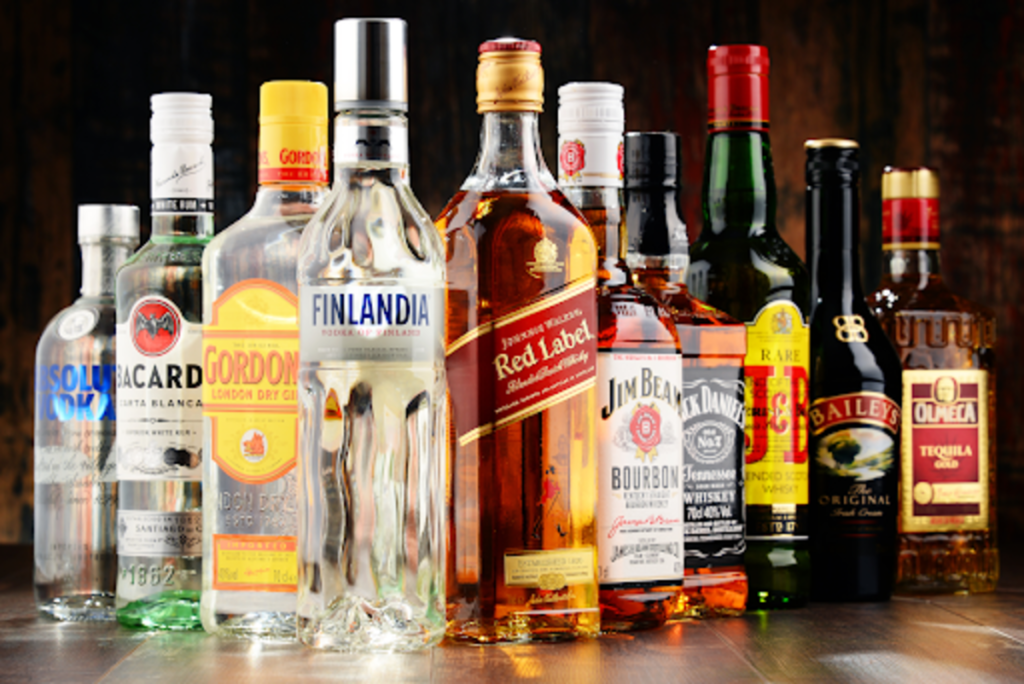
Alcoholic Drinks – One of the Largest FMCG Beverage Categories
Alcoholic drinks represent one of the most established and high-demand segments of the global FMCG industry. From casual social consumption to premium lifestyle experiences, alcoholic beverages are deeply integrated into food culture, hospitality, and retail markets worldwide.
This category includes beer, wine, whisky, vodka, tequila, and other spirits, each serving different consumer preferences, price points, and occasions.
What Are Alcoholic Drinks?
Alcoholic drinks are beverages containing ethanol, produced through fermentation and, in some cases, distillation. They are regulated consumer products and are distributed through licensed retail, wholesale, and hospitality channels.
Key characteristics of alcoholic beverages:
- Strong brand identity
- High repeat consumption
- Premium and mass-market segmentation
- Long shelf life (especially spirits)
Major Categories of Alcoholic Drinks
Beer
Beer is one of the oldest and most widely consumed alcoholic beverages globally.
Key beer types include:
- Lager
- Ale
- Wheat beer
- Craft and specialty beers
Beer is popular due to its:
- Lower alcohol content
- Refreshing taste
- Social and casual appeal
Wine
Wine is produced from fermented grapes and is often associated with dining, celebrations, and premium consumption.
Main wine types include:
- Red wine
- White wine
- Rosé wine
- Sparkling wine
Wine consumers often focus on:
- Flavor profile
- Grape variety
- Aging and origin
Whisky
Whisky is a distilled spirit made from fermented grain mash and aged in wooden casks.
Common whisky styles include:
- Scotch whisky
- Irish whiskey
- Bourbon
- Blended whisky
Whisky is known for:
- Rich flavor complexity
- Premium positioning
- Strong gifting demand
Vodka & Tequila
These spirits are widely used for cocktails and mixed drinks.
Vodka
- Neutral flavor profile
- Made from grains or potatoes
- Popular in nightlife and bars
Tequila
- Made from blue agave
- Distinctive flavor
- Strong premium and ultra-premium demand
Why Alcoholic Drinks Have Strong Global Demand
Social & Cultural Significance
Alcoholic beverages are commonly consumed during:
- Social gatherings
- Celebrations and festivals
- Dining and entertainment
Wide Consumer Segmentation
From affordable beers to ultra-premium spirits, alcoholic drinks cater to:
- Mass consumers
- Premium buyers
- Collectors and connoisseurs
Production Process Overview
Fermentation
Used for beer and wine production, where yeast converts sugars into alcohol.
Distillation
Used for spirits such as whisky, vodka, and tequila to increase alcohol concentration.
Aging & Maturation
Many spirits and wines are aged to enhance:
- Flavor
- Aroma
- Smoothness
Packaging & Branding in Alcoholic Drinks
Packaging plays a crucial role in:
- Brand recognition
- Premium perception
- Product protection
Common packaging formats include:
- Glass bottles
- Cans (for beer and premixed drinks)
- Gift packs and limited editions
Some related products are Beverages and Premium FMCG Products.
Alcoholic Drinks in Retail & Wholesale Markets
Retail Channels
- Supermarkets and liquor stores
- Duty-free outlets
- Online alcohol platforms
Wholesale & B2B Distribution
- Hotels and restaurants
- Bars and nightclubs
- Event and catering services
Alcoholic drinks offer high margins, brand-driven sales, and consistent demand.
How to Choose Quality Alcoholic Drinks
Brand & Authenticity
Always choose trusted and certified brands to ensure product authenticity.
Alcohol Content & Labeling
Check ABV (Alcohol by Volume), ingredients, and legal labeling.
Storage Conditions
Proper storage preserves taste, aroma, and shelf life.
Occasion-Based Selection
Different occasions require different beverages, from light beers to premium spirits.
Market Trends in Alcoholic Beverages
Key trends shaping the industry:
- Premiumization of spirits
- Growth of craft beer
- Cocktail culture and mixology
- Attractive limited-edition packaging
According to international health and food authorities, responsible alcohol consumption is essential for public health.
Responsible Consumption & Regulations
Alcoholic beverages are regulated to ensure:
- Legal age compliance
- Quality control
- Consumer safety
Responsible marketing and consumption are essential for long-term industry sustainability.
Why Alcoholic Drinks Remain a Strong FMCG Category
Alcoholic drinks continue to dominate beverage sales because:
- Demand is consistent
- Brand loyalty is strong
- Products offer premium value
Despite changing consumer habits, this category remains resilient and profitable.
Final Conclusion
Alcoholic drinks, including beer, wine, whisky, vodka, and tequila, are a cornerstone of the global FMCG beverage market. Their cultural significance, wide product variety, and strong brand identity ensure ongoing demand across retail and wholesale channels.
With innovation, premium offerings, and responsible consumption practices, alcoholic beverages will continue to play a major role in global consumer markets.